Notable people · Writer · Lawyer
Charles W. Chesnutt
Cleveland-born author of The Conjure Woman and The Marrow of Tradition, the first Black American fiction writer to win a national readership, who supported his writing with a Cleveland court-reporting firm.
Born June 20, 1858, Cleveland
Died November 15, 1932, Cleveland (his home, 9719 Lamont Avenue)
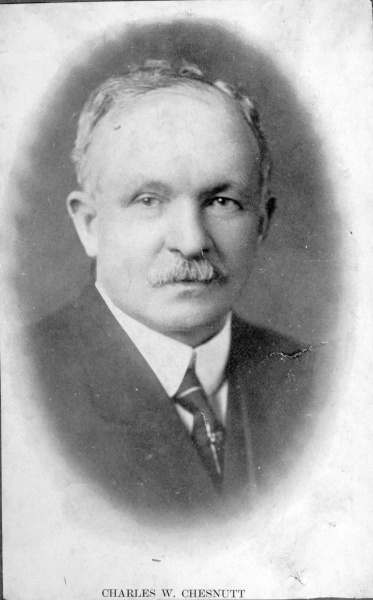
At a glance
- Born
- June 20, 1858, Cleveland (Cuyahoga County) source
- Died
- November 15, 1932, Cleveland (his home, 9719 Lamont Avenue) (Cuyahoga County) source
- Buried
- Lake View Cemetery, Cleveland (Cuyahoga County) source
- Also known as
- Charles W. Chesnutt, Charles Chesnutt
- Education
- Howard School, Fayetteville, NC, student, then pupil-teacher
- Known as
- Writer, Lawyer
- Organizations
- Nickel Plate Railroad
Life story
Charles Chesnutt was born in Cleveland in 1858 to free Black parents from Fayetteville, North Carolina. The family returned to Fayetteville in 1867, and he became a pupil-teacher at fourteen.
He taught in Charlotte, became assistant principal of the Fayetteville normal school in 1877 and principal in 1880. He married Susan Perry in 1878 and left teaching in 1883 to write in New York.
He moved to Cleveland, studied law and passed the bar in 1887 while running a court reporting business. His story 'The Goophered Grapevine' appeared in The Atlantic Monthly in 1887, the first work by a Black author in that magazine.
He published The Conjure Woman and The Wife of His Youth in 1899, then novels including The House Behind the Cedars (1900) and The Marrow of Tradition (1901). He joined the NAACP committee in 1910 and won its Spingarn Medal in 1928. He died in Cleveland in 1932.
Ohio ties
- Cleveland, Hudson Street (now East 30th) near Central Avenue (1858-1866)
birthplace area; boyhood in his grandparents Moses and Chloe Harris's house Cuyahoga County · source - Oberlin (parts of 1859-1860)
his parents lived there briefly when he was an infant Lorain County · source - Cleveland, Central and Fairfax neighborhoods (Wilcutt Avenue; 64 Brenton Street, later 2212 East 73rd) (1883-1904)
Nickel Plate Railroad clerk, stenographer and lawyer; wrote his early stories and most of his novels at the Brenton Street house Cuyahoga County · source - Cleveland, 9719 Lamont Avenue, Hough (1904-1932)
home and library until his death Cuyahoga County · source - Wilberforce University (1913)
honorary LL.D.; delivered 'Race Ideals and Examples' Greene County · source
Timeline
- 1856 His parents, free people of color, left Fayetteville, North Carolina, for Ohio; his mother's family settled among other North Carolina families near Hudson Street in Cleveland. source
- 1858 Born in Cleveland on 20 June to Andrew Jackson Chesnutt and Ann Maria Sampson Chesnutt. source
- 1865 Photographed in Cleveland with his younger brother Lewis, aged about seven. source
- 1866 His father, a Union Army veteran, moved the family back to Fayetteville, where Charles attended the Howard School under Robert Harris. source
- 1875 Published his first story, in a small weekly newspaper run by an African American, and became a teacher at the Howard School after teaching in Charlotte. source
- 1880 At 22 succeeded Robert Harris as principal of the State Normal School at Fayetteville. source
- 1883 Resigned, worked six months in New York as a Dow, Jones reporter, and in the autumn moved back to Cleveland as a clerk for the Nickel Plate Railroad. source
- 1885 'Uncle Peter's House', his first story as an adult, was sold to the McClure syndicate and ran in papers including the Cleveland Herald in December. source
- 1887 Admitted to the Ohio bar after reading law with Judge Samuel Williamson; the Atlantic Monthly published 'The Goophered Grapevine' in August. source
- 1888 Bought his first house, on Brenton (East 73rd) Street just south of Cedar Avenue. source
- 1899 Houghton Mifflin published The Conjure Woman and The Wife of His Youth and Other Stories of the Color Line, and Small, Maynard published his Frederick Douglass. source
- 1900 Closed his law and stenography offices for two years to write full time; The House Behind the Cedars appeared. source
- 1901 Published The Marrow of Tradition, a novel based on the 1898 Wilmington, North Carolina, massacre and coup. source
- 1902 After poor sales reopened his law and stenography offices in the new Williamson Building in downtown Cleveland. source
- 1904 Bought the house at 9719 Lamont Avenue in Hough; the Rowfant Club rejected his membership because of his race. source
- 1905 Published his last novel in his lifetime, The Colonel's Dream, and was the only Clevelander invited to Mark Twain's 70th birthday dinner at Delmonico's on 5 December. source
- 1910 Coordinated Cleveland's meeting for the new NAACP and was admitted to the Rowfant Club. source
- 1913 Received an honorary LL.D. from Wilberforce University in June and spoke on 'Race Ideals and Examples'. source
- 1915 Supported the founding of the Playhouse Settlement, later Karamu House. source
- 1922 Gave $100 to the Phillis Wheatley Association building fund; Jane Edna Hunter wrote to thank him on 3 October. source
- 1928 Awarded the NAACP's Spingarn Medal for his pioneer work as a literary artist depicting Black American life. source
- 1932 Died at his Lamont Avenue home on 15 November; his death was front-page news in the Plain Dealer. source
- 2003 An Ohio historical marker was placed at the site of his Lamont Avenue home; it has since disappeared. source
- 2008 The U.S. Postal Service issued a Black Heritage stamp honoring him on 31 January. source
What Charles is known for
- The Goophered Grapevine in the Atlantic Monthly, 1887
- The Conjure Woman (1899)
- The Marrow of Tradition (1901)
- The Conjure Woman (1899)
- The Wife of His Youth (1899)
- Frederick Douglass (1899)
- The House Behind the Cedars (1900)
- The Marrow of Tradition (1901)
- The Colonel's Dream (1905)
Stories
The Rowfant Club said no, then yes
By 1904 Chesnutt was a nationally published author, a lawyer and a member of the Chamber of Commerce and the Cleveland Bar Association. When he applied to the Rowfant Club, Cleveland's society of book collectors, it turned him down because he was Black. He stayed in Cleveland's literary life anyway, and in 1910 the club admitted him and he took part in its literary work. That same year he coordinated the Cleveland meeting of the new NAACP.
Two years to be a novelist
After The Conjure Woman and The Wife of His Youth came out in 1899, Chesnutt and his wife Susan went over the family budget and agreed he could close his law and stenography offices for two years and write novels full time. He produced The House Behind the Cedars (1900), about a woman passing for white, and The Marrow of Tradition (1901), about the Wilmington massacre. Both sold poorly and angry white Southerners called them lies. Early in 1902 he reopened his offices in the new Williamson Building downtown, and after The Colonel's Dream failed in 1905, at 47, he stopped publishing novels.
A Hudson Street boyhood
Chesnutt's mother came to Cleveland in 1856 with her mother Chloe and stepfather Moses Harris, a carpenter who bought a house on Hudson Street (now East 30th) a few doors from the mason Cicero M. Richardson, an Underground Railroad helper hurt in the 1858 Oberlin-Wellington Rescue. Apart from a spell in Oberlin in 1859-1860, Charles lived in that house until he was eight, probably attending the integrated Hudson Street School nearby. The Richardson and Harris families shaped him: Robert Harris later became his principal in Fayetteville, and Cicero Harris his mentor as a young teacher in Charlotte.
'Who in the name of the Lord is Charles W. Chesnutt?'
In an 1891 letter to Houghton Mifflin, Chesnutt asked that his race not be stated in his book or advertised, because he did not want it judged by a lower standard than other writers'. His early Atlantic stories ran without identifying him as Black, and readers were struck: the novelist James Lane Allen wrote to the magazine's editor demanding to know who Chesnutt was. The Atlantic published seven of his stories over his career.
Honors and things named for them
- Honorary LL.D., Wilberforce University (1913)
- NAACP Spingarn Medal (1928)
- 2008 USPS Black Heritage stamp
- Charles W. Chesnutt Library, Fayetteville State University (1987)
Named for Charles W. Chesnutt
- PEP Chesnutt school, on the site of his Lamont Avenue home (Cleveland, Cuyahoga County) source
- Charles Waddell Chesnutt Library, Fayetteville State University (Fayetteville, North Carolina) source
Family
- wife: Susan Perry
- daughter: Helen Maria Chesnutt
Sites to know
Homes, graves, markers, museums and monuments; the numbered ones are on the map.
- 1 Site of Chesnutt's home, 9719 Lamont Avenue (house demolished; school on the site) (demolished)
9719 Lamont Avenue, Hough, Cleveland Cuyahoga County · source - Ohio historical marker for Charles W. Chesnutt (placed 2003 at 9719 Lamont Avenue; reported missing) (unknown)
9719 Lamont Avenue, Cleveland Cuyahoga County · source - 2 Lake View Cemetery (coordinates are for the cemetery)
12316 Euclid Avenue, Cleveland Cuyahoga County · source - Site of the Brenton Street house, 64 Brenton (later 2212 East 73rd Street), where he wrote most of his novels (demolished)
Cleveland Cuyahoga County · source - Moses Harris house on Hudson Street (East 30th), his boyhood home (unknown)
Cleveland Cuyahoga County · source
Places in Ohio to see
- Lake View Cemetery (burial) (grave)
12316 Euclid Ave, Cleveland, Cuyahoga County ZIP 44106 · Cleveland · Cuyahoga County
Ohio places
Where Charles W. Chesnutt was born, lived, worked and is remembered, with the ZIP code, town and county pages for each.
- Born: Cleveland, Cuyahoga County (Exact birth address not verified; downtown Cleveland stand-in) ZIP 44114 (approximate) · Cleveland · Cuyahoga County
- Lived: Cleveland, Cuyahoga County ZIP 44114 (approximate) · Cleveland · Cuyahoga County
- Buried: Cleveland, Cuyahoga County (Lake View Cemetery, 12316 Euclid Ave) ZIP 44106 · Cleveland · Cuyahoga County
Myths and corrections
Things often said about Charles W. Chesnutt, and what the record shows.
Often said 'The Goophered Grapevine' (Atlantic Monthly, 1887) was Chesnutt's first published story.
The record He published a story in a small Fayetteville weekly in 1875, and his first story as an adult, 'Uncle Peter's House', was syndicated by McClure and printed in the Cleveland Herald and other papers in December 1885. The 1887 story was his first in the Atlantic. source
Often said His grandmother Chloe Sampson was a single mother who bought the family's Hudson Street house in Cleveland from her savings.
The record The 1860 census shows Chloe already married to Moses Harris (North Carolina records date the marriage to 1839), and county tax records show Moses Harris bought the house. source
Documents
Primary records: patents, letters, court and government files, nominations and old county histories, each at the archive that holds it.
- The Conjure Woman (Boston: Houghton, Mifflin, 1899) 1899, Internet Archive
- The Wife of His Youth, and Other Stories of the Color Line (Boston: Houghton, Mifflin, 1899) 1899, Internet Archive
- The Marrow of Tradition (Boston: Houghton, Mifflin, 1901) 1901, Internet Archive
- Letter, Jane E. Hunter to Charles W. Chesnutt, 3 October 1922, Chesnutt Papers MS 3370, Western Reserve Historical Society 1922, Western Reserve Historical Society; Charles W. Chesnutt Archive
- Letter, George W. Brown to Charles W. Chesnutt, 19 April 1932, inviting him to a Cleveland Negro history round table 1932, Western Reserve Historical Society; Charles W. Chesnutt Archive
Pictures
Free to use with the credit shown. Select a picture for the original and its license.
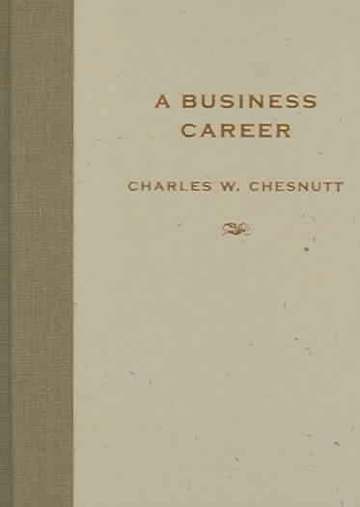
Cover of the hardcover first edition of A Business Career
Public domain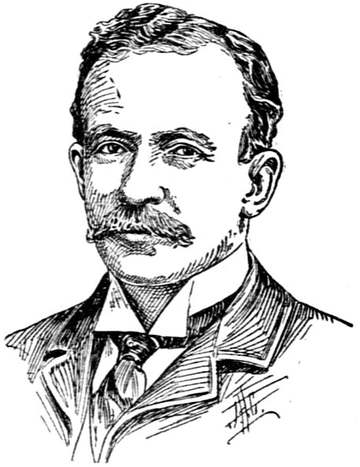
Illustration of American author Charles Waddell Chesnutt, as published in Washington DC newspaper The Colored ...
Public domain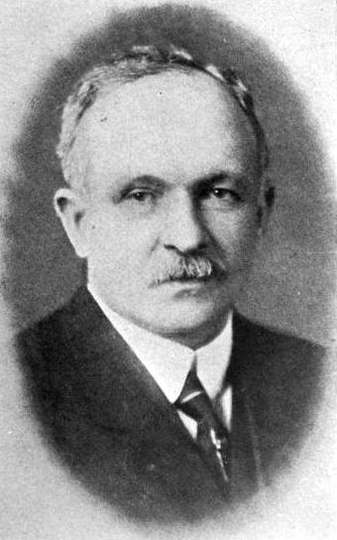
Photograph of American author Charles Waddell Chesnutt. From The Negro in Literature and Art in the United Sta...
Public domain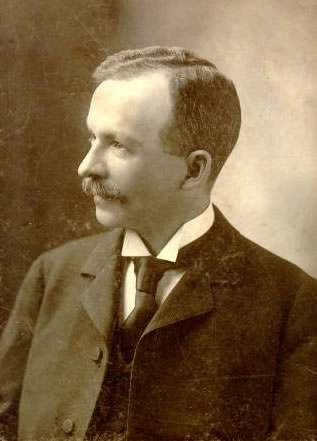
Author Charles Waddell Chesnutt at the age of 40.
Public domain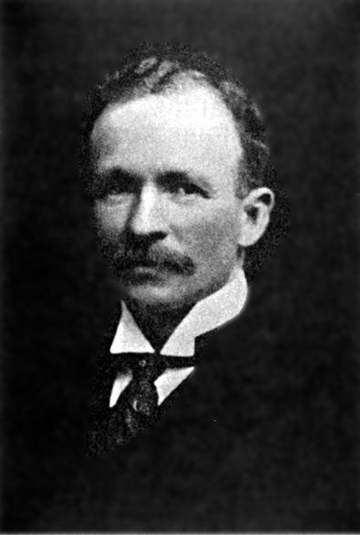
African American author and political activist Charles W. Chesnutt
Public domain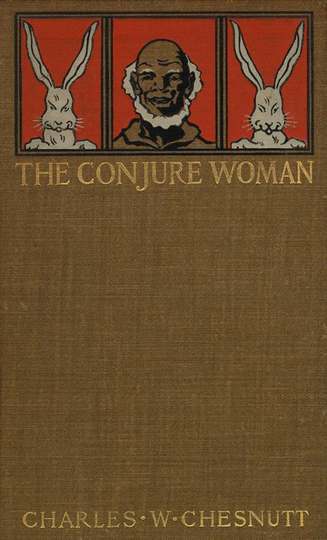
Book cover from The Conjure Woman, a collection of short stories written by Charles Waddell Chesnutt. Publishe...
Public domain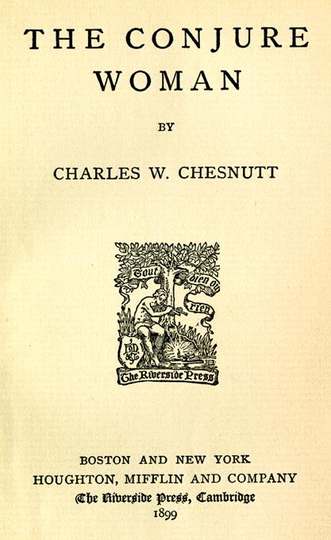
Title page from The Conjure Woman, a collection of short stories written by Charles Waddell Chesnutt. Publishe...
Public domain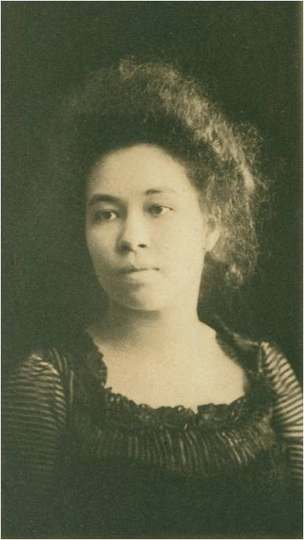
Ethel Chesnutt , Smith College yearbook 1901
Public domain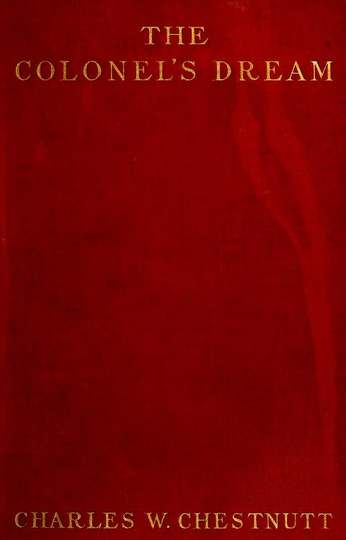
First edition cover of "The Colonel's Dream" (1905)
Public domain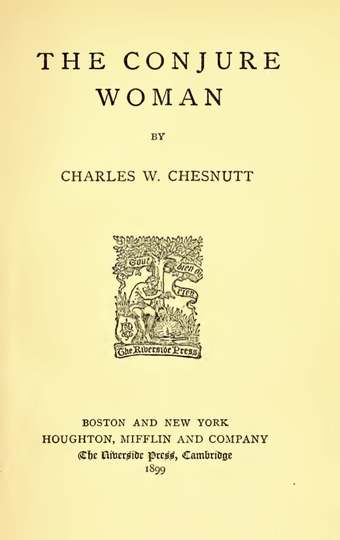
First edition title page for The "Conjure Woman" by Charles W. Chesnutt
Public domain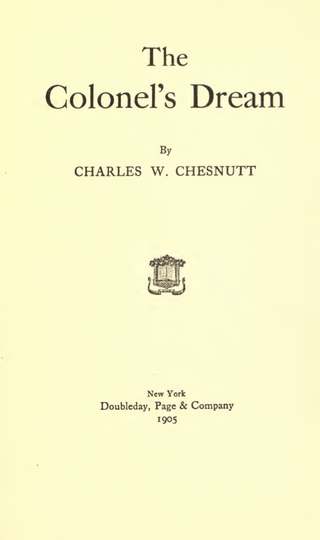
First edition title page of "The Colonel's Dream" (1905)
Public domain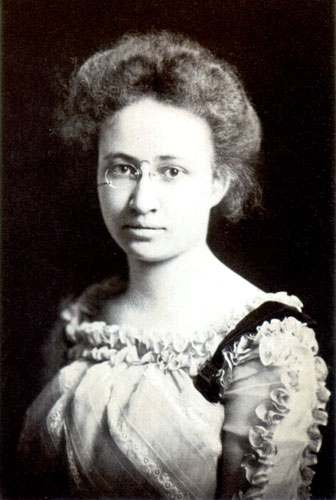
Helen Maria Chesnutt BA MA (December 6, 1880 - August 7, 1969) was an African American teacher of Latin and th...
Public domain


Further reading
Sources
Confidence. Medium: the main facts were confirmed, but some details (often an address or ZIP code) were not.
- Wikipedia: Charles W. Chesnutt birth and death in Cleveland, works, burial at Lake View
- case.edu: chesnutt charles waddell
- chesnuttarchive.org: chesnutt
- chesnuttarchive.org
- clevelandhistorical.org
- clevelandhistorical.org
- chesnuttarchive.org: ccda.corr01623
- chesnuttarchive.org: ccda.corr01874
- Wikipedia: Spingarn Medal
- Wikipedia: Lake View Cemetery
- archive.org: conjurewoman00ches
- archive.org: wifeofhisyouthot1899ches
- archive.org: marrowoftraditio00ches
- Wikimedia Commons: Charles W Chesnutt 40
- Wikimedia Commons: Charles Chesnutt and His Brother Lewis in 1865 DPLA 91663a57536c289d927129ece5de
- Wikimedia Commons: Charles Waddell Chesnutt, 25 Years Old DPLA 5083ae7b741bef8d7e9a97f68672ca7f
- Wikimedia Commons: CHARLES W. CHESNUTT
- Wikimedia Commons: Charles Waddell Chesnutt, 47 Years Old DPLA e16b817a44b2285f4e2988c1aea53ffd
- Wikimedia Commons: Charles Waddell Chesnutt, 52 Years Old DPLA d13cd03bfbdea171c13c780c0f955708
- Wikimedia Commons: Charles W Chesnutt 1921


Every link goes to the original source. Profile researched 2026-10-15.